Trusted company that deals in quality-made products


 Send Inquiry
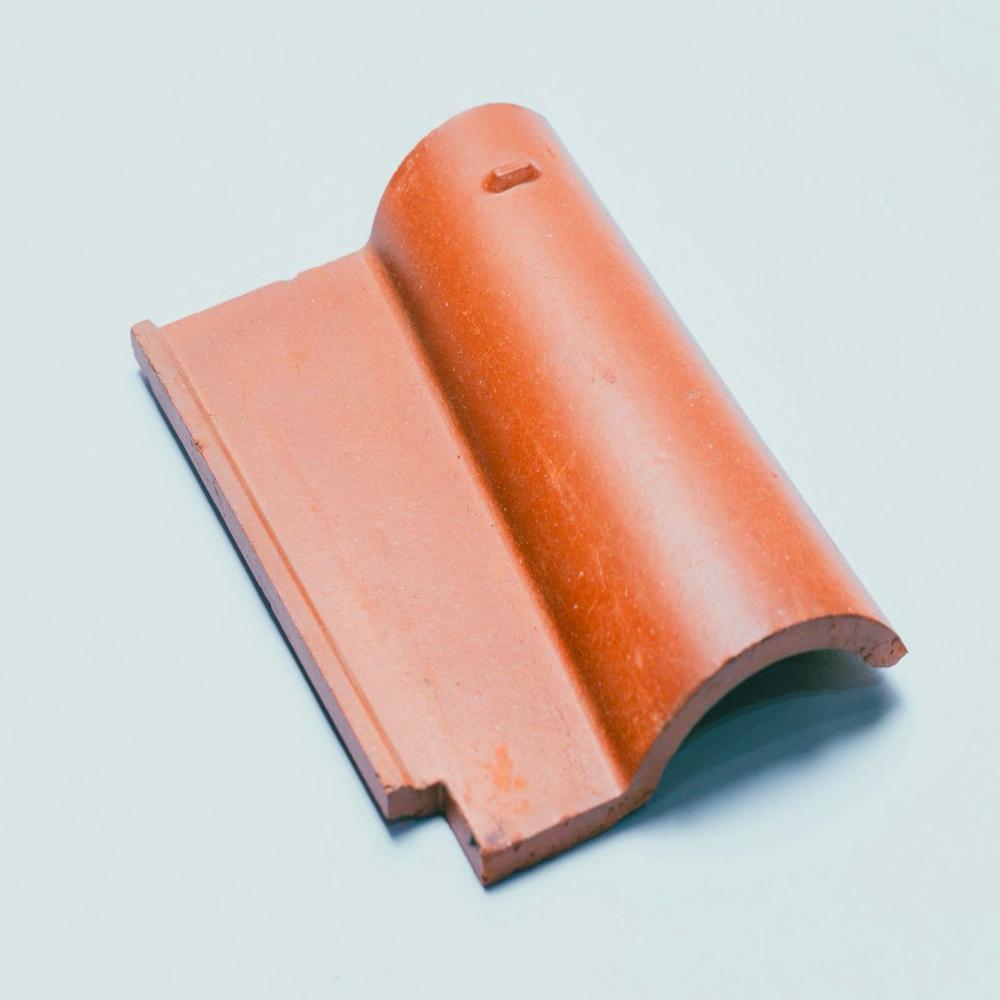
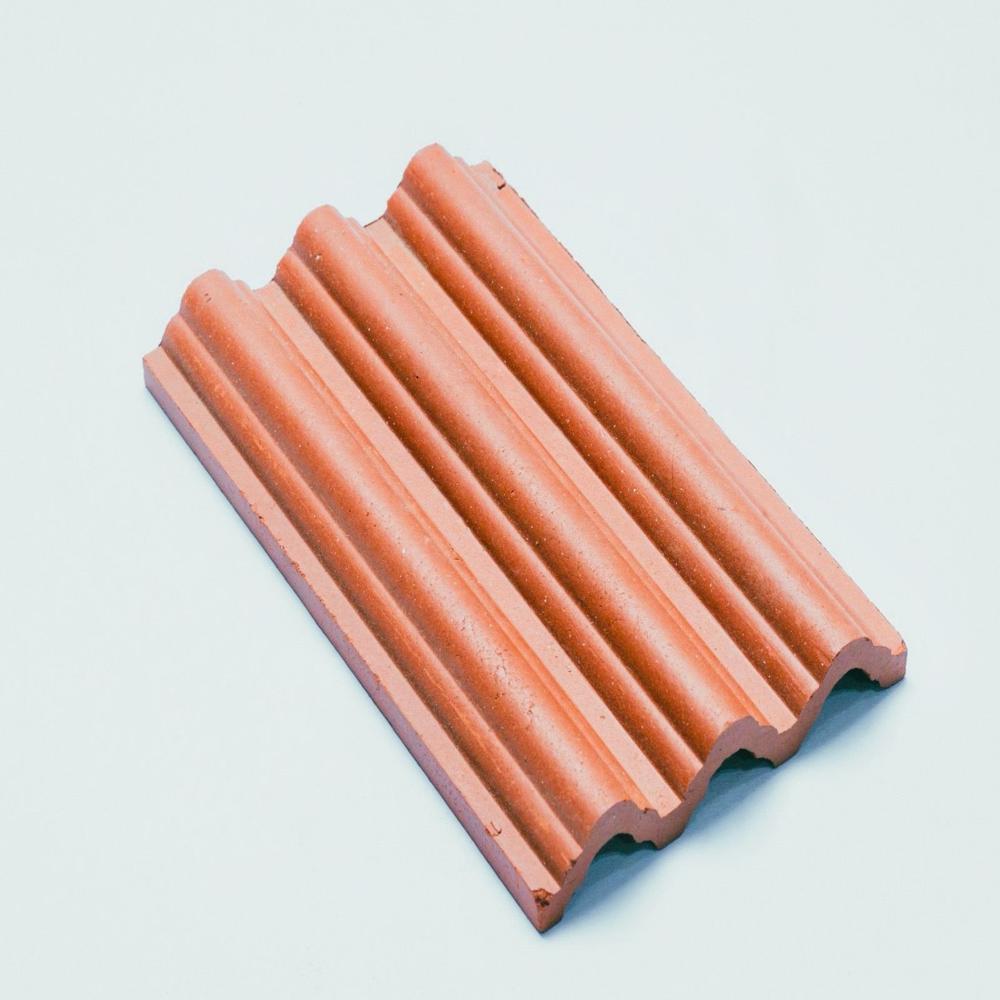
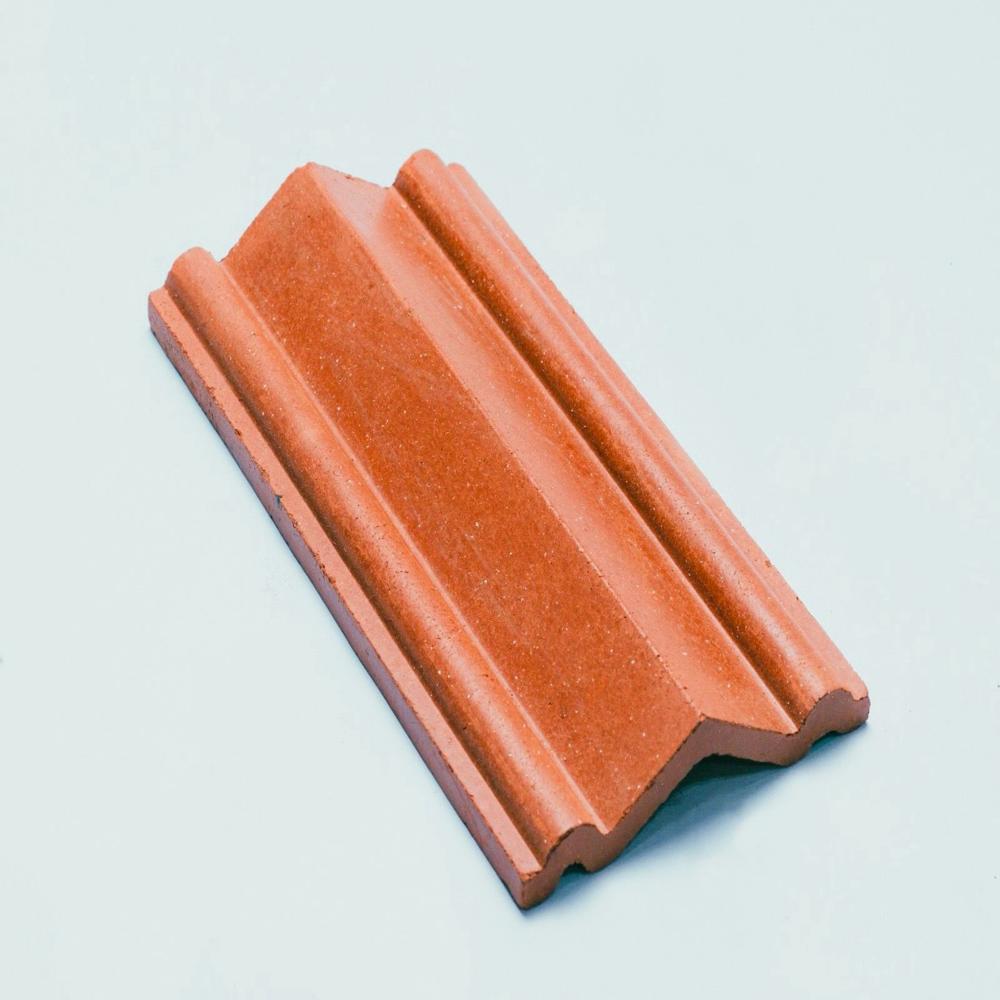
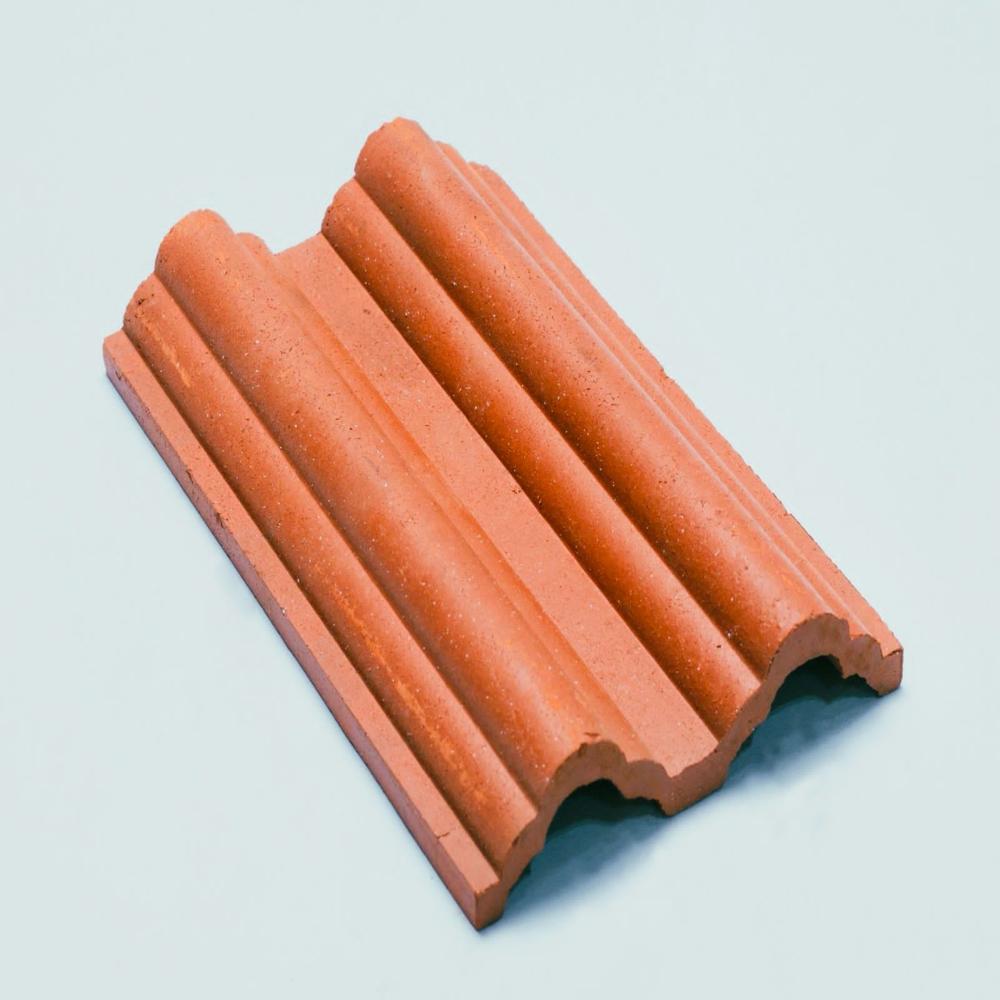
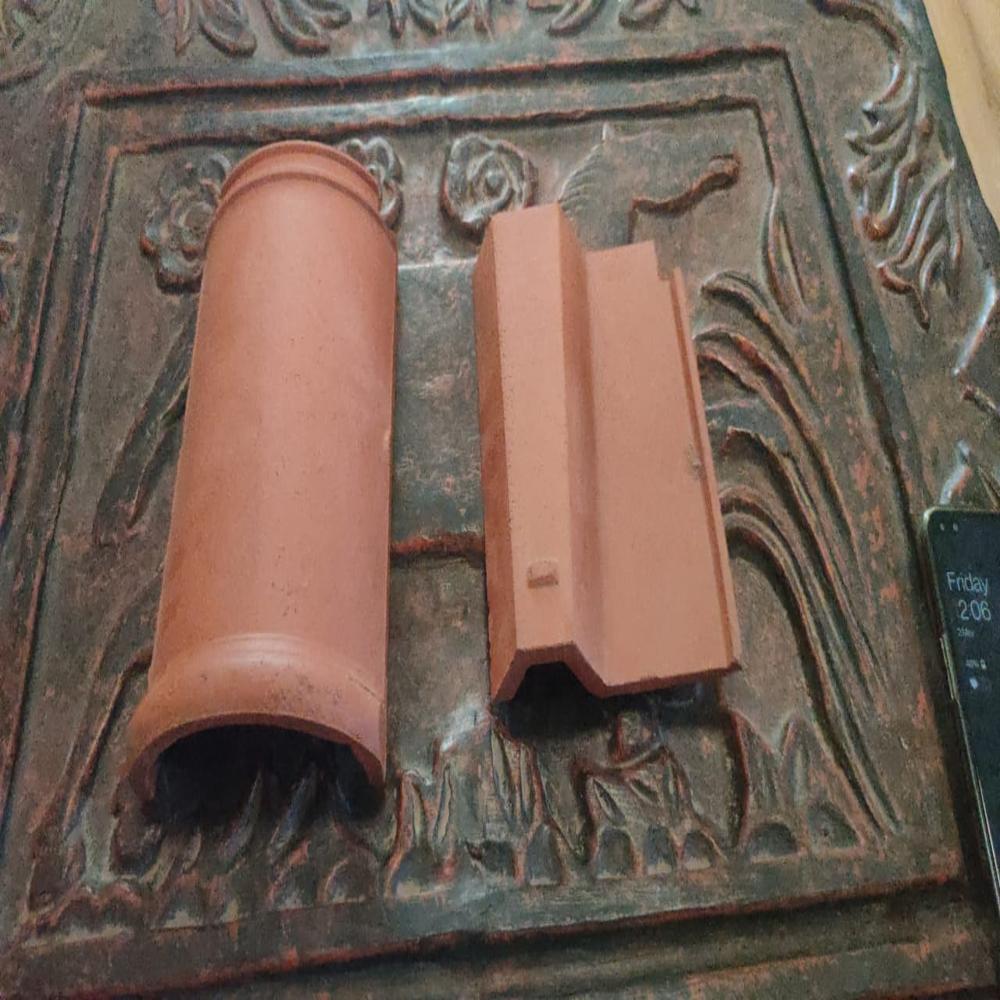
10 X 8inch Tailor Tiles
Price 1.0 INR/ Piece
MOQ : 1000 Pieces
10 X 8inch Tailor Tiles Specification
- Advantage
- Conversation with Gemini CERTIFICATIONS OF TERRACOTTA JALI Based on the available information, the certifications and standards related to Terracotta Jali and similar terracotta/clay products are primarily focused on Quality Management Systems and Environmental/Safety Management. The most frequently mentioned certification is: ISO 9001:2015 (Quality Management System): This internationally recognized standard certifies that a company adheres to consistent quality management practices, ensuring products meet customer and regulatory requirements. It is specifically mentioned for manufacturers of terracotta/clay products, including one that produces terracotta jalis. Other relevant certifications and standards for clay and terracotta products that may apply to jalis include: ISO 14001 (Environmental Management System): Helps companies reduce their environmental footprint and is relevant for the manufacturing process of clay products. ISO 45001 (Occupational Health and Safety): Focuses on reducing workplace risks during manufacturing. ISO 50001 (Energy Management): Focuses on optimizing energy usage. IS 2117 Standards: One manufacturer states their Clay Jali is manufactured in compliance with IS 2117 standards (Indian Standard), which meets stringent quality benchmarks. GreenPro: An internationally recognised Ecolabel in India, which encourages the manufacturer to implement green measures at every stage of the product life cycle. Architectural terracotta is an example of a product that can hold this certification. CE certification: Mentioned for architectural terracotta panels produced by one company. For the product itself, manufacturers also cite specific performance qualities that act as informal quality benchmarks: Compressive Strength: One jali is mentioned to have a compressive strength of 3.5 N/mm 2 , and another clay jali is mentioned to have a compressive strength over 15 MPa (15 N/mm 2 ). Water Absorption: One jali is listed with a water absorption of 22.43%, while another clay jali is mentioned to have water absorption below 15%, and one clay facade panel is mentioned to have water absorption less than 0.5%. CERTIFICATIONS OF TERRACOTTA JALI The certifications for Terracotta Jali primarily fall into two categories: Quality Standards (Indian and International) for the product's physical properties, and Management System Certifications for the manufacturer's processes. Here are the key certifications and standards mentioned for Terracotta Jali and similar clay facade products: 1. Product Quality and Performance Standards These standards govern the physical properties and quality of the fired clay material itself. Standard/Code Description & Applicability Key Requirement Examples (varies by product/class) IS 2117 (Indian Standard) Guide for Manufacture of Hand-Made Common Burnt-Clay Building Bricks. Manufacturers of traditional terracotta jali often cite compliance with this standard for their quality benchmarks, though the jali is a screen block, not a common brick. General quality, dimensional tolerance. IS 654:1992 Specification for Clay Roofing Tiles, Mangalore Pattern. This is cited by some specifications for similar clay products, implying its relevance for general clay quality. Dimensional tolerance, compressive strength, water absorption. IS 3367:1979 Specification for Burnt Clay Tiles for use in Lining Irrigation and Drainage Works. Also cited for general clay quality benchmarks. Dimensional tolerance, compressive strength, water absorption. EN 14411 International Standard for Ceramic Tiles (Group BIIb, or similar). Terracotta facade/jali products from global suppliers often refer to compliance with this European Norm (EN). Dimensional accuracy, water absorption, breaking strength, modulus of rupture, thermal shock resistance, freeze-thaw resistance. ASTM (American Society for Testing and Materials) Another set of international standards used by manufacturers for testing and compliance. General material testing and performance. 2. Manufacturing and Management System Certifications These certify the company's commitment to quality, environment, and occupational safety. Certification Focus ISO 9001:2015 Quality Management System (QMS). This is the most common certification, ensuring the manufacturer has a consistent process to meet customer and regulatory quality requirements. ISO 14001 Environmental Management System (EMS). Certifies that the manufacturer adheres to environmental standards during the raw material sourcing, production, and waste management phases. ISO 45001 Occupational Health and Safety (OH&S). Focuses on ensuring a safe working environment for employees. EPD (Environmental Product Declaration) A verified and registered document that transparently communicates the environmental performance and life cycle impact of the product, which is often crucial for projects seeking Green Building Certifications (like LEED or BREEAM). In summary, when specifying Terracotta Jali for a large project, an architect or engineer will typically require a manufacturer that is ISO 9001 certified and whose product meets the technical requirements laid out in the relevant IS Codes (in India) or EN/ASTM standards (for international supply). Would you like me to look up the specific maximum water absorption or minimum compressive strength for a particular grade of building clay block in the Indian Standards? CERTIFICATIONS OF CLAY CLADDING The certifications for Clay Cladding (also known as architectural terracotta, terra cotta rainscreen, or brick-slip systems) are extensive, covering the product's quality, the manufacturer's processes, and system performance as a whole. Here is a breakdown of the key certifications and standards: 1. International Product Standards (Performance Testing) Clay cladding panels are typically tested against international standards to prove their durability and performance under various conditions. Standard Body Standard / Code Focus of Testing EN (European Norm) EN 14411 This is the core European standard for ceramic tiles, which sets requirements for water absorption, dimensional accuracy, breaking strength, and resistance to thermal shock and freezing. ASTM (American Society for Testing and Materials) ASTM C212, C126, C67 These specifications cover structural clay facing tile and testing methods for compressive strength, water absorption (5-hour boil/24-hour soak), and saturation coefficient. CWCT (Centre for Window and Cladding Technology) CWCT Testing Required in the UK and often globally for system performance. This tests the cladding system's ability to resist: Wind Load, Water Penetration, and Impact Resistance (Soft and Hard Body). ISO 10545 series ISO 10545-3, -9, -12, -13 Specific tests for: Water Absorption, Thermal Shock Resistance, Frost Resistance, and Resistance to Chemicals (Acids and Alkalis). 2. System and Regional Approvals These certifications ensure the entire cladding system (the clay panels plus the fixing framework) is safe and compliant for use on buildings. BBA (British Board of Agr ment) Certificate: A widely respected certification in the UK that assesses the fitness for purpose of a construction product or system, including its design life, fire resistance, wind/water/impact resistance, and compliance with Building Regulations. CE Marking / UKCA Marking: Mandatory markings indicating conformity with relevant European or UK health, safety, and environmental protection standards for construction products (Declaration of Performance - DoP). A1 / A2 Reaction to Fire Classification (per EN 13501-1): Clay panels are typically classified as A1 Non-Combustible, which is a critical requirement for high-rise buildings and fire safety regulations worldwide. NHBC Standards: Compliance with the National House Building Council's standards for new homes, often required for residential projects. French CSTB Standards: Used by some manufacturers, particularly for impact resistance ratings (e.g., Q4 rating). 3. Sustainability and Management Certifications These pertain to the manufacturing company's overall operations and the product's environmental footprint. Certification Focus Benefit for Projects ISO 9001:2015 Quality Management System (QMS). Ensures consistent quality in manufacturing, reducing product defects. ISO 14001:2015 Environmental Management System (EMS). Confirms commitment to minimizing environmental impact, waste, and pollution. ISO 45001:2018 Occupational Health and Safety (OH&S). Certifies a safer work environment at the manufacturing plant. EPD (Environmental Product Declaration) Life Cycle Assessment. Provides transparent, third-party verified data on the product's environmental impact (e.g., embodied carbon). Crucial for LEED, BREEAM, and Green Building certifications. BES 6001 Responsible Sourcing of Construction Products. Certifies responsible sourcing of raw materials (clay) and social/ethical compliance. For a clay cladding project, the most important documents to request from a supplier are the BBA/CE/UKCA Certificate and the CWCT Test Reports, as these confirm the installed system's fitness and safety performance. Is there a specific country or type of project (e.g., high-rise, residential) you are interested in, which would narrow down the most relevant certifications? CLAY ROOF ADVANTEGE Clay roof tiles offer a multitude of advantages, making them a premium and highly durable roofing choice, especially in regions with hot or severe weather. Here are the key advantages of clay roofing:
- Product Type
- ROOF
- Surface Treatment
- Polished
- Dimension (L*W*H)
- 10 X 8 Inch (in)
- Weight
- 800 Grams (g)
- Usage & Applications
- Roofing / Commercial
- Style
- Designer / Modern
- Material
- CLAY
- Color
- Different Available
- Thickness
- 10-15 Millimeter (mm)
- Type
- Roofing Tiles
10 X 8inch Tailor Tiles Trade Information
- Minimum Order Quantity
- 1000 Pieces
- FOB Port
- ROOF
- Payment Terms
- Cash in Advance (CID)
- Supply Ability
- 5000 Pieces Per Month
- Delivery Time
- 7 Days
- Sample Available
- Yes
- Packaging Details
- The certifications for Clay Roof Tiles are rigorous and essential, covering the product's quality, durability, and the environmental practices of the manufacturer. These standards provide assurance of performance, especially concerning fire safety and weathering. Here are the key certifications and standards for clay roof tiles:
- Main Export Market(s)
- Asia
- Main Domestic Market
- All India
10 X 8inch Tailor Tiles About
Looking for a durable and elegant solution for your exterior flooring needs? Look no further than our 10 X 8inch Tailor Tiles. These full body tiles feature a plain design and glossy finish that is both slip-resistant and visually stunning. The interlocking pattern allows for easy installation, and the non-slip feature ensures safety for all foot traffic. These tailor tiles are perfect for a variety of exterior applications, including patios, decks, and walkways. Trust in our commitment to quality, and invest in a product that will stand the test of time.
FAQs of 10 X 8inch Tailor Tiles:
Q: Can these tiles be used for indoor flooring?
A: While these tiles are specifically designed for exterior use, they could be used indoors depending on the specific application.Q: Are these tiles easy to install?
A: Yes, the interlocking pattern makes installation quick and easy.Q: Can these tiles be used in wet environments?
A: Yes, the non-slip feature makes them ideal for use in wet environments such as pool decks or outdoor showers.Q: What is the recommended maintenance for these tiles?
A: Simply sweep or hose down regularly to keep them looking clean and new.Q: What is the expected lifespan of these tiles?
A: With proper installation and maintenance, these tiles can last for many years.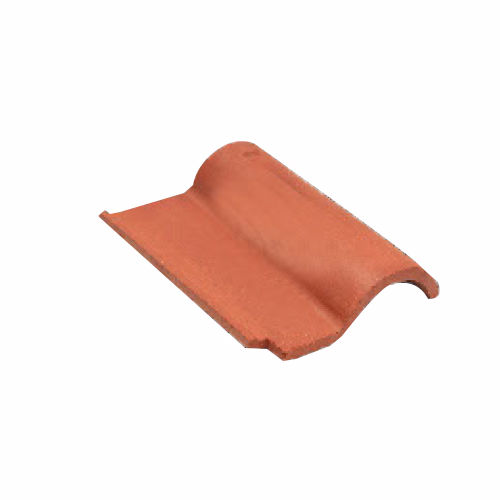
Tell us about your requirement

Price:
Quantity
Select Unit
- 50
- 100
- 200
- 250
- 500
- 1000+
Additional detail
Mobile number
Email

More Products in Roofing Tailor Tiles Category
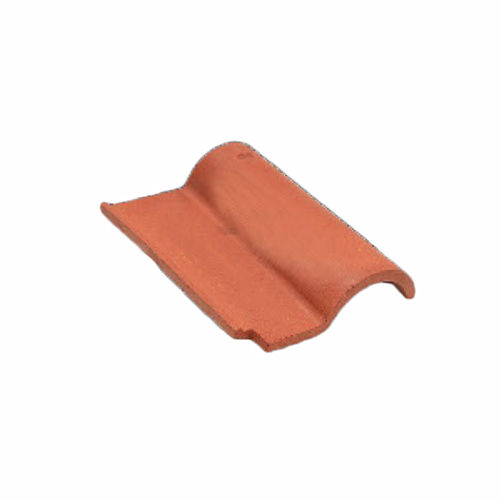
9 X 7inch Medium Tailor Tiles
Price 10.0 INR / Piece
Minimum Order Quantity : 1000 Pieces
Color : Different Available
Dimension (L*W*H) : 9 X 7 Inch (in)
Type : Roofing Tiles
Usage & Applications : Roofing / Commercial
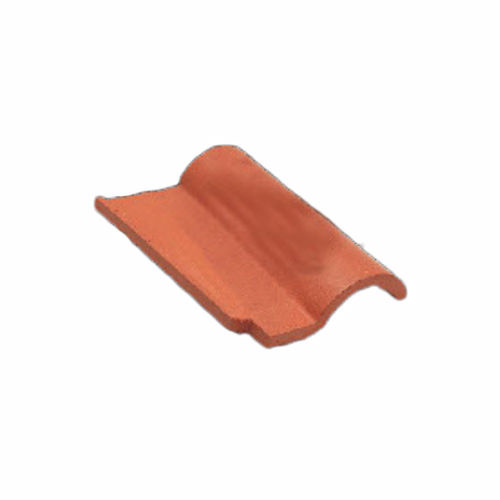
7 X 5inch Mini Tailor Tiles
Price 6.0 INR / Piece
Minimum Order Quantity : 1000 Pieces
Color : Different Available
Dimension (L*W*H) : 7 X 5 Inch (in)
Type : Roofing Tiles
Usage & Applications : Roofing / Commercial
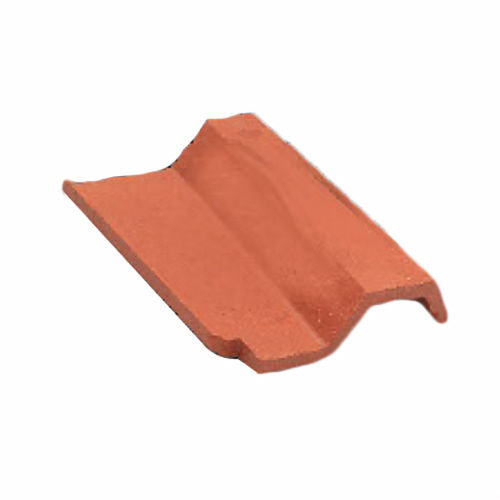
7 X 5inch Red Mini Tailor Tiles
Price 11.0 INR / Number
Minimum Order Quantity : 5000
Color : Different Available
Dimension (L*W*H) : 7 X 5 Inch (in)
Type : Roofing Tiles
Usage & Applications : Roofing / Commercial
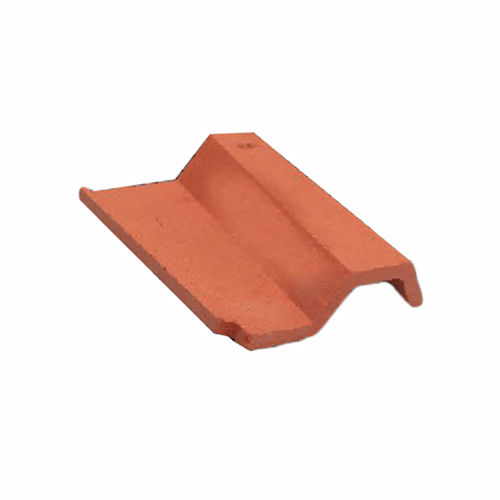
9 X 7inch Medium Italian Tailor Tiles
Price 8.0 INR / Piece
Minimum Order Quantity : 1000 Pieces
Color : Different Available
Dimension (L*W*H) : 9 X 7 Inch (in)
Type : Roofing Tiles
Usage & Applications : Roofing / Commercial

We deal only in bulk quantity orders.
Contact Details

- Mitticool, Near Vaghasiya toll plaza, NH-08,Wankaner - 363621, Gujarat, India
- Phone : 07971670719
MITTICOOL HOME DECOR PRIVATE LIMITED
GST : 24AAQCM9097E1ZX

- Mr. Raj Prajapati (Director / Founder)
- Mobile : 07971670719
- Send Inquiry
 Send Inquiry
 Send Inquiry
 Send SMS
 Call Me Free
MITTICOOL HOME DECOR PRIVATE LIMITED
All Rights Reserved.(Terms of Use)
Developed and Managed by Infocom Network Private Limited.
Developed and Managed by Infocom Network Private Limited.
